Roof Repair & Maintenance
Signs Your Roof Needs Repair in Florida
Warning signs Florida homeowners should watch for, from leaks and missing shingles to cracked tiles, rusted flashing, sagging, and storm damage.
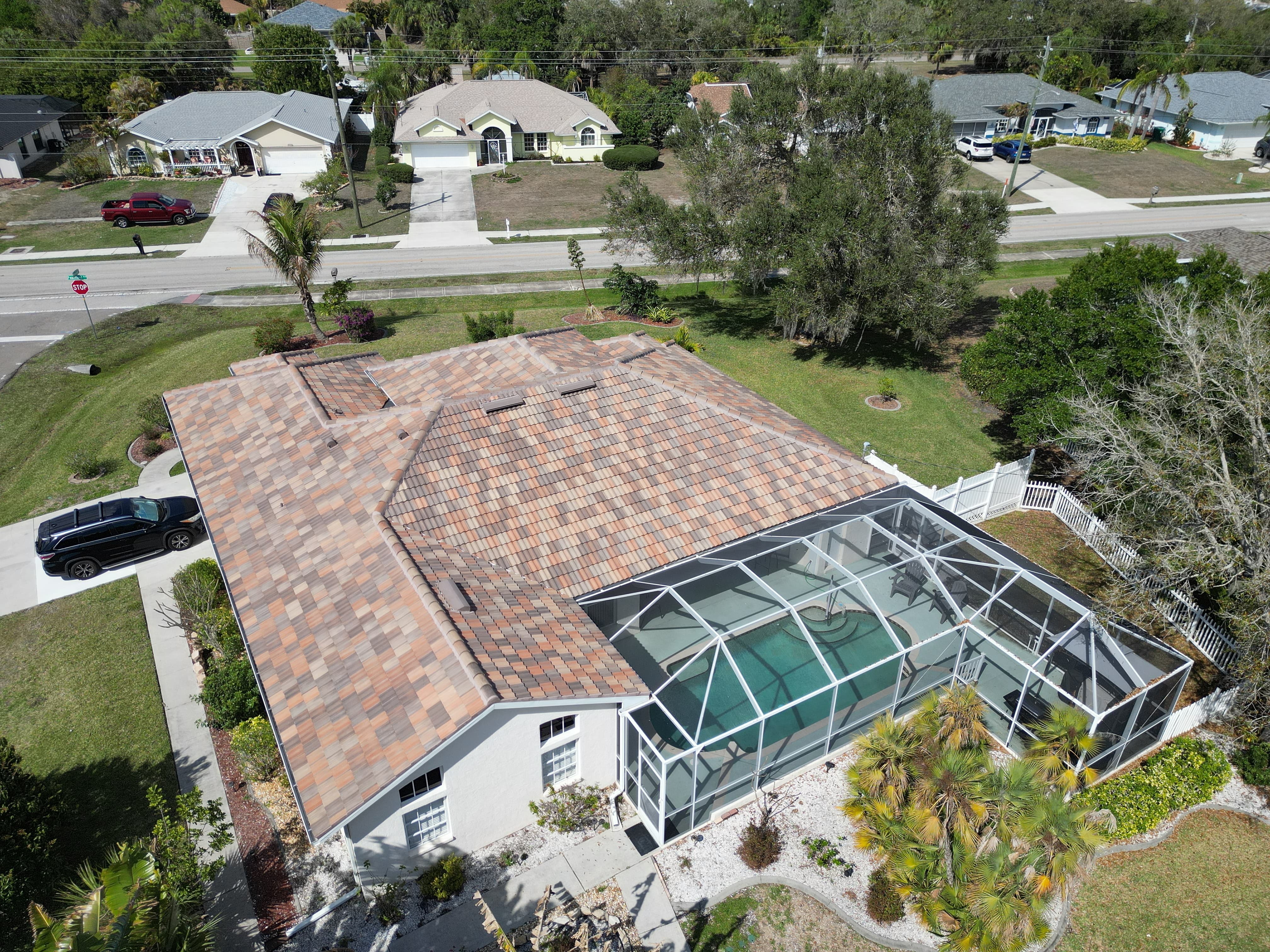
Missing shingles are not cosmetic in Florida rain. They can expose underlayment and allow wind-driven water to work underneath surrounding tabs.
Key points for Southwest Florida homeowners
Missing shingles are not cosmetic in Florida rain. They can expose underlayment and allow wind-driven water to work underneath surrounding tabs.
Cracked tiles can channel water under the roof system even when the broken tile is small. Avoid walking on tile roofs because foot traffic can make damage worse.
What to watch closely
Rusted flashing, failed sealant, or loose pipe boots often cause leaks around vents, walls, skylights, and transitions.
Sagging areas, repeated leaks, heavy granule loss, or soft decking may mean the roof needs more than a small repair.
Repair problems early
Small roof issues can become interior drywall, insulation, and mold concerns during Florida rainy season.
Roof RepairWhen to schedule an inspection
After strong storms in Sarasota and Charlotte County communities, schedule an inspection if anything changed visually or water appeared inside.
Active leak or storm opening?
If water is entering the home, ask about emergency roof repair and temporary dry-in options.
Emergency Roof RepairRelated roofing resources
- Missing Shingles After a Storm: What Homeowners Should Do
- Roof Leak Warning Signs Homeowners Should Not Ignore
Frequently asked questions
How quickly should I repair missing shingles?
As soon as possible, especially before more rain, because exposed areas can let water move under nearby shingles.
Are cracked tiles urgent?
They can be. A cracked tile may expose underlayment to UV and rain, so it should be inspected.
What does granule loss mean?
Heavy granule loss can indicate aging shingles, hail impact, or storm wear and should be evaluated with roof age and condition.
When is a leak an emergency?
Active dripping, ceiling bulging, electrical hazards, or large storm openings should be treated as urgent.