Florida Roofing Guides
Roof Leak Warning Signs Homeowners Should Not Ignore
Recognize roof leak warning signs before major damage, including ceiling stains, musty smells, bubbling paint, attic moisture, mold concerns, and emergencies.
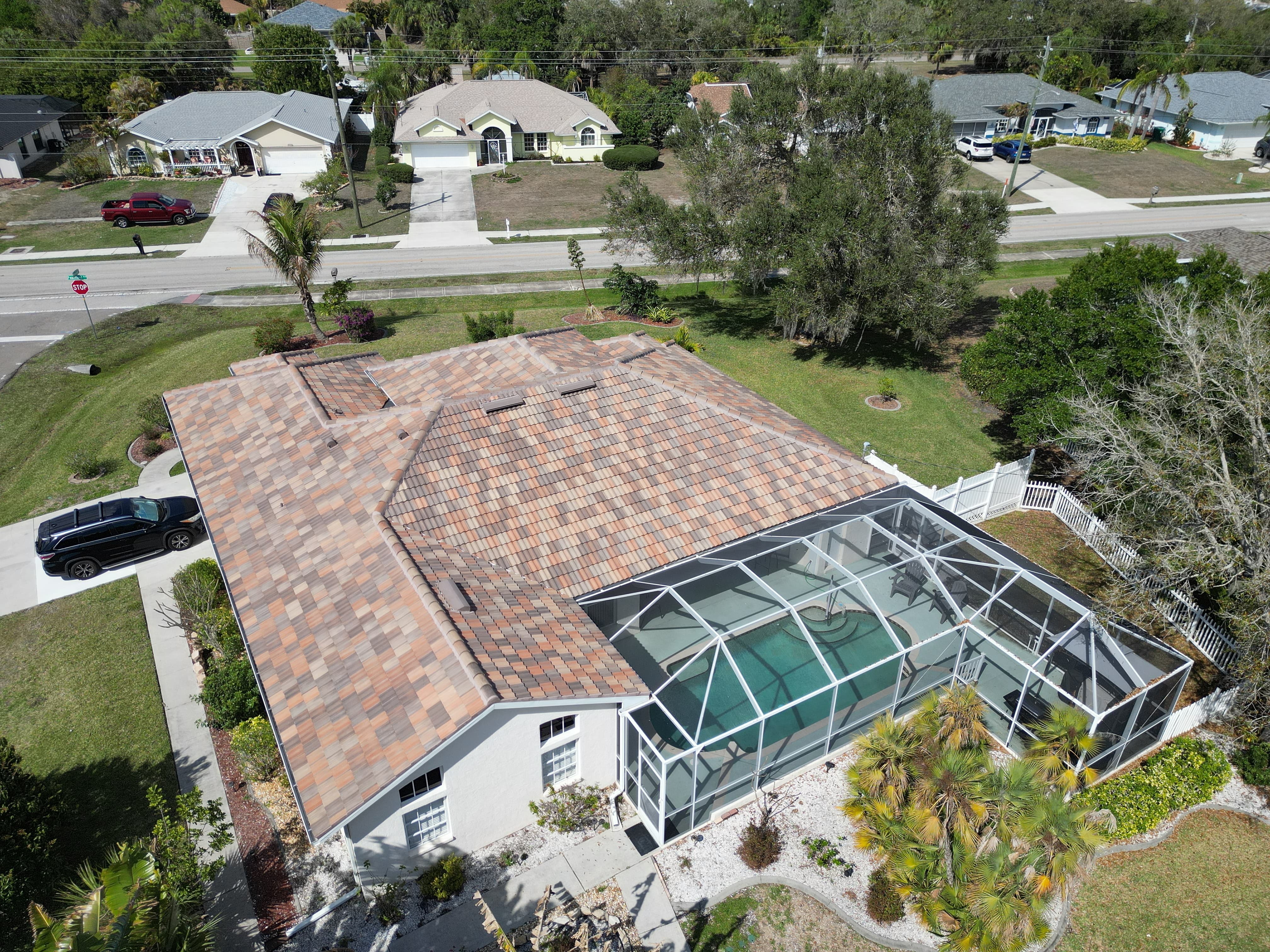
Roof leaks often start small, then spread during repeated Florida rains. Early warning signs can save drywall, insulation, flooring, and personal belongings.
Key points for Southwest Florida homeowners
Roof leaks often start small, then spread during repeated Florida rains. Early warning signs can save drywall, insulation, flooring, and personal belongings.
Ceiling stains, especially brown rings or expanding discolored areas, often indicate water has traveled through insulation or framing before reaching the ceiling.
What to watch closely
Musty smells, bubbling paint, peeling texture, or damp attic insulation can point to hidden moisture. Mold concerns should be taken seriously because warm humid conditions help moisture problems spread.
Dripping water, sagging drywall, water near electrical fixtures, or a ceiling that looks swollen should be treated as urgent. Move valuables, place a container if safe, and call for help.
Active leak?
Emergency roof repair can help stop water entry and protect the home while permanent repairs are planned.
Emergency Roof RepairWhen to schedule an inspection
Leaks may originate far from the visible stain, especially around valleys, vents, flashing, skylights, or wind-damaged roof areas.
Find the source
Schedule roof repair to trace the leak to flashing, shingles, tiles, metal panels, or penetrations.
Roof RepairRelated roofing resources
Frequently asked questions
Is a small ceiling stain urgent?
It should be inspected promptly because the source may worsen during the next storm.
Can a leak travel before showing inside?
Yes. Water can follow rafters, decking, insulation, and wiring paths before it appears.
What if water is near a light fixture?
Avoid the area and call for professional help because water and electricity are dangerous.
Does mold mean I need a new roof?
Not always. You need to identify and stop the moisture source first, then address affected materials.