Storm Damage & Insurance
Florida Roof Insurance Claims Guide for Homeowners
Practical steps for Southwest Florida homeowners after hurricane, wind, or storm roof damage, including documentation, inspections, and claim support.
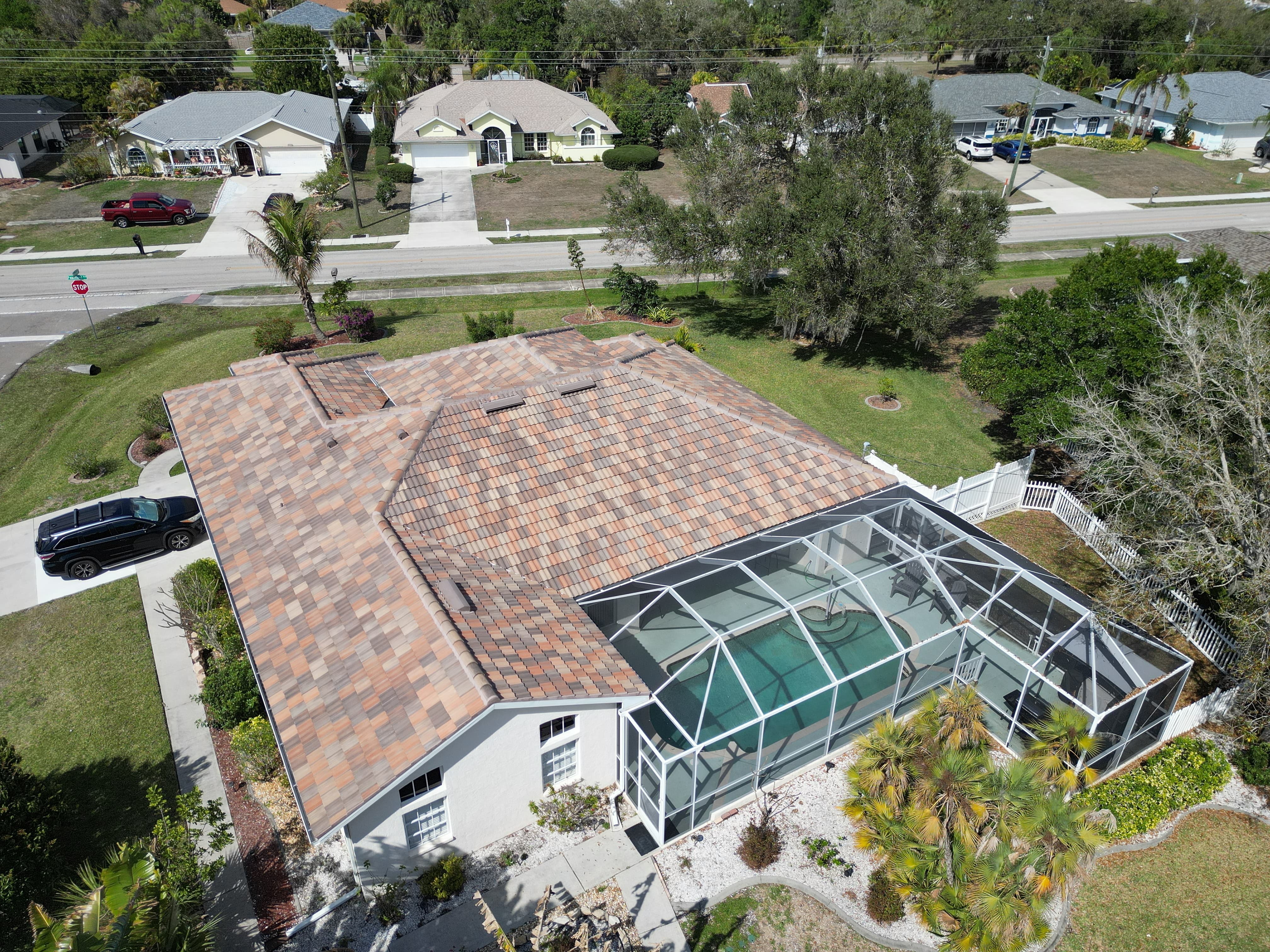
When a storm passes through North Port, Port Charlotte, Venice, Englewood, Punta Gorda, or Sarasota County, the first roof decisions you make can affect safety, repair timing, and insurance documentation. This guide explains practical steps without replacing advice from your insurance carrier, adjuster, or attorney.
After wind-driven rain or hurricane bands, roof damage is not always obvious from the driveway. A lifted shingle, cracked tile, loosened ridge cap, bent flashing, or punctured underlayment can let water in days or weeks later. Start with careful documentation, avoid unsafe roof access, and schedule a roofing inspection before small openings become interior damage.
What to document after a storm
Take wide photos of each side of the home, then closer photos of missing shingles, cracked tiles, dented metal panels, displaced ridge caps, damaged vents, fallen limbs, gutters, soffit, fascia, ceiling stains, and wet insulation if visible from a safe attic area. Save the storm date, approximate time, wind or hail notes, and any emergency steps you took. Keep receipts for tarping or temporary dry-in work.
When to call a roofer
Call a roofer when you see missing roof materials, active leaking, stains on ceilings, debris impact, sagging, or anything that looks different after the storm. In Southwest Florida, wind can lift edges and break seals even when the roof still looks mostly intact. A roofer can inspect roof penetrations, valleys, flashing, underlayment exposure, and attachment points that homeowners usually cannot evaluate safely.
Get help with insurance claim roofing
If your roof was damaged by wind, hail, or hurricane conditions, start with documentation and a roof inspection.
Insurance Claim RoofingWhat not to do
Do not climb on a wet, steep, tile, or storm-damaged roof. Do not throw away damaged materials before they are photographed. Do not make permanent repairs before your carrier has had a chance to tell you what documentation it needs. Temporary measures that prevent additional water intrusion are different from full repairs; document those steps clearly.
How inspections help
A professional inspection creates a clearer record of roof conditions, likely storm-related damage, and repair scope. It can help homeowners understand whether they need spot repairs, emergency dry-in, or a broader replacement conversation. Landis Exterior can help with roof documentation and repair estimates for homeowners preparing a claim.
Storm damage help in Southwest Florida
Need a storm-related roof inspection in North Port, Port Charlotte, Venice, Englewood, Punta Gorda, or nearby?
Storm Damage RoofingRelated roofing resources
- What Does Insurance Cover After Roof Storm Damage?
- How to Document Roof Damage for an Insurance Claim
Frequently asked questions
Should I call insurance or a roofer first?
If there is active leaking or visible damage, protect the home from further water entry, document the damage, and contact your carrier for claim instructions. A roofer can inspect and estimate repairs, but coverage decisions come from the insurance company.
Can a roofer meet my adjuster?
Many homeowners ask their roofer to be available during an adjuster visit so roof conditions and repair scope can be discussed clearly.
Is storm damage always visible from the ground?
No. Lifted shingles, cracked tiles, flashing movement, and underlayment exposure can be hard to see without a safe roof inspection.
Do I need emergency tarping?
If water is entering the home or roof materials are missing, temporary dry-in or tarping may help prevent additional damage while the claim and repair process moves forward.