Roofing Materials
Best Roofing Material for Hurricane-Prone Areas in Florida
How Florida homeowners can compare asphalt shingles, metal roofing, tile roofing, underlayment, flashing, and installation quality in storm-exposed areas.
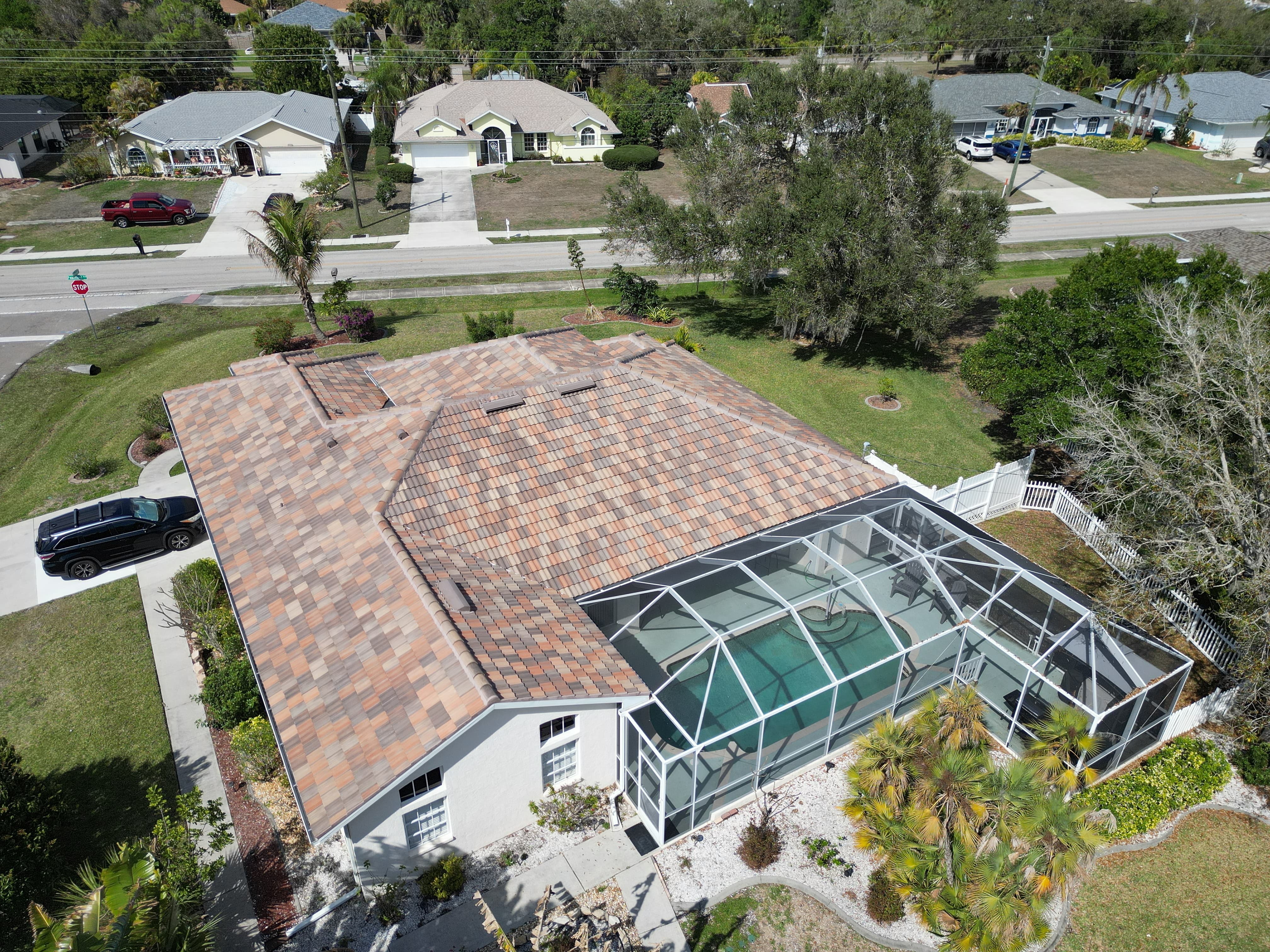
There is no single best roof for every hurricane-prone Florida home. The best choice is a complete roof system designed and installed for local wind, rain, heat, and maintenance conditions.
Key points for Southwest Florida homeowners
There is no single best roof for every hurricane-prone Florida home. The best choice is a complete roof system designed and installed for local wind, rain, heat, and maintenance conditions.
Asphalt shingles can be cost-effective and widely available. Product rating, nailing pattern, starter strips, ventilation, and edge details are important in wind-prone areas.
What to watch closely
Metal roofing is often chosen for long service life and storm resistance. Proper panel selection, attachment, flashing, and corrosion-resistant components matter, especially near salt air.
Tile roofing offers a high-end Florida look, but weight, attachment, broken tile replacement, and underlayment condition are critical.
Replacing a storm-exposed roof?
We can compare materials and roof system details for your home and budget.
Roof ReplacementWhen to schedule an inspection
Underlayment, flashing, roof deck condition, valleys, drip edge, and penetrations often determine whether a roof keeps water out during wind-driven rain. Maintenance before and after storms remains essential.
Had hurricane damage?
Schedule a storm damage roofing inspection before hidden leaks spread.
Storm Damage RoofingRelated roofing resources
Frequently asked questions
What roof is best for hurricanes?
A properly installed system with rated materials, strong attachment, quality underlayment, and correct flashing is more important than material alone.
Is metal good for hurricanes?
Metal can be an excellent option when the system is designed and installed correctly.
Can shingles handle high wind?
Many shingles are wind rated, but installation details and roof condition are critical.
Does underlayment matter?
Yes. Underlayment is a key secondary water barrier when wind-driven rain gets under the roof covering.